

Rosetta Stone has been around since 1992. Most people recognize the yellow logo before they know anything about how the software actually works.
This Rosetta Stone review looks past the branding. We dug into the official pricing pages, read through hundreds of Trustpilot and G2 comments, and compared the app’s claims against what real subscribers say after paying for it.
Our goal is simple. Tell you who this app genuinely helps, where it falls short, and whether the price tag matches what you get. No affiliate spin, just a plain breakdown.
Who Should Use Rosetta Stone?
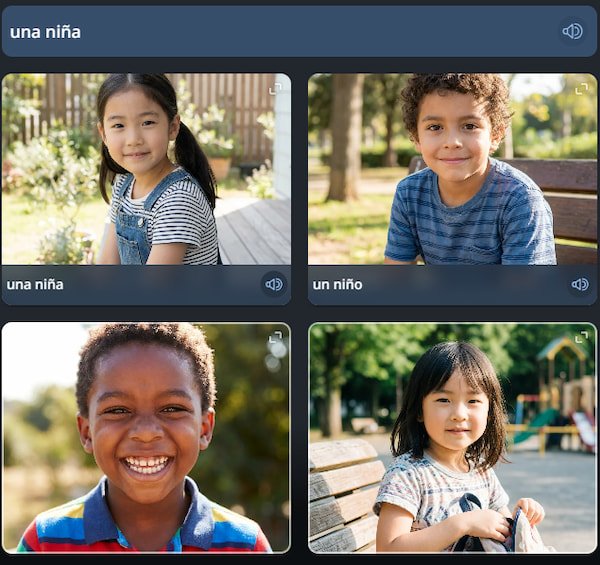
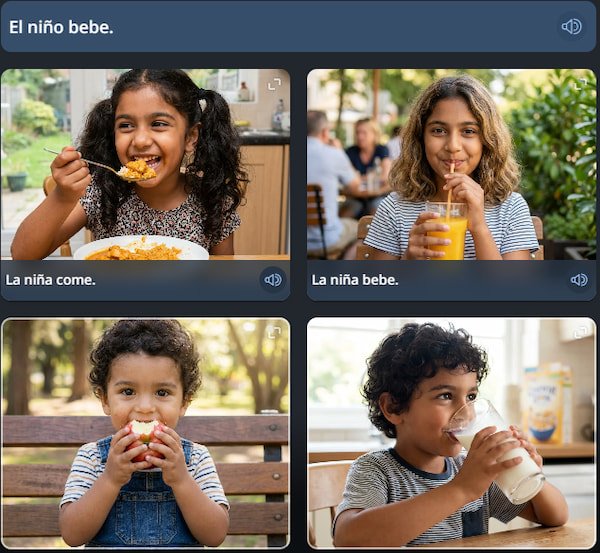
Rosetta Stone was built around one core idea: teach a language the way a child learns their first one, through pictures and repetition, without translation. That approach fits some learners far better than others.
Ideal for:
- Visual learners who connect words to images faster than words to words
- Complete beginners who want a structured path instead of building their own study plan
- People who dislike gamified apps and want a calmer, ad-free lesson flow
- Homeschool parents needing a self-paced curriculum for younger learners
- Learners studying Spanish, French, Italian, or German, where the immersion method has the most native content and support
Maybe a bad experience for:
- Anyone who needs conversational skills quickly, for a trip in a few weeks
- Learners who want grammar rules explained plainly in English before practicing
- Budget-conscious users comparing this against free apps like Duolingo
- Auditory learners who prefer hands-free, audio-only lessons for commutes
- Students tackling Mandarin, Japanese, or Arabic, where the no-translation method has a steeper learning curve
Public Reviews About Rosetta Stone
Rosetta Stone’s reputation online is genuinely split. On Trustpilot, the company’s main profile carries close to 7,000 reviews, and the spread runs from five-star praise to one-star frustration in roughly equal measure.
G2 and the Apple App Store paint a friendlier picture, likely because those platforms skew toward users who already committed to the software and stuck with it. Here’s how the ratings compare across the main review sources we checked.
| Resource | Rating | What It Covers |
| Trustpilot (rosettastone.com) | Mixed; works out to roughly 3–3.6 out of 5 based on the published rating breakdown | Billing and cancellation experience, customer support, day-to-day app performance |
| G2 | 4.2 out of 5 (112 reviews) | Business and enterprise use, lesson structure, downloadable content |
| Apple App Store | 4.8 out of 5 (230,000+ ratings) | Mobile app usability, lesson pacing, TruAccent pronunciation tool |
| Trustpilot (Homeschool profile) | 4 out of 5 (92 reviews) | Homeschool curriculum fit, printable materials, kid-friendly design |
User’s Opinion about Different Languages
Sentiment shifts noticeably by language, based on the pattern across Trustpilot comments. Learners working through Spanish, French, and Italian tend to describe the picture-based lessons as intuitive, since cognates and sentence structure overlap with English.
Reviewers studying Swedish, Polish, and German are more split. Some describe steady progress after a few weeks; others say the lack of upfront grammar explanation makes early lessons confusing.
Comments about Mandarin, Japanese, and Arabic skew more critical. Several users mention that guessing meaning from pictures gets harder once tones, characters, or unfamiliar scripts enter the picture, and they wanted more direct explanation than the method offers.
Older reviewers who purchased CD-based courses years ago, then moved to newer computers, report losing access entirely once their original activation codes stopped working.
Complaints About Rosetta Stone
A few complaint themes repeat across Trustpilot, the App Store, and the Better Business Bureau:
- Subscriptions renewing automatically, with users saying it’s easy to forget the cancellation date
- Refund requests that reviewers describe as slow or difficult to resolve
- TruAccent speech recognition failing to register spoken answers, especially with certain headphones or in noisy rooms
- Lesson content repeating even after a learner answers correctly multiple times
- Slow loading times, particularly on older computers or during peak hours
- Homeschool users losing access to printable workbooks that older course versions used to include
Summary of Reviews
Taken together, the reviews don’t support a simple “great” or “bad” verdict. The teaching method itself earns consistent praise for being clear and well structured. The business side- billing, cancellation, and support response times, is where most of the frustration lives.
If you read only the five-star reviews, Rosetta Stone looks like the gold standard it advertises itself as. Read the one-star reviews next to them, and a very different picture appears. Both sides are represented in large numbers.
Can You Really Learn Languages Through Them?
Here’s where we’ll be direct. Our take on Rosetta Stone is not a glowing one. We don’t think any app, including this one, can take someone from zero to conversational fluency on its own.
Language learning research backs this up. Real fluency needs live conversation, correction from another person, and exposure that adapts to your mistakes in ways a fixed lesson library can’t. Rosetta Stone can build vocabulary recognition and decent pronunciation habits. It struggles to replace the messiness of an actual conversation.
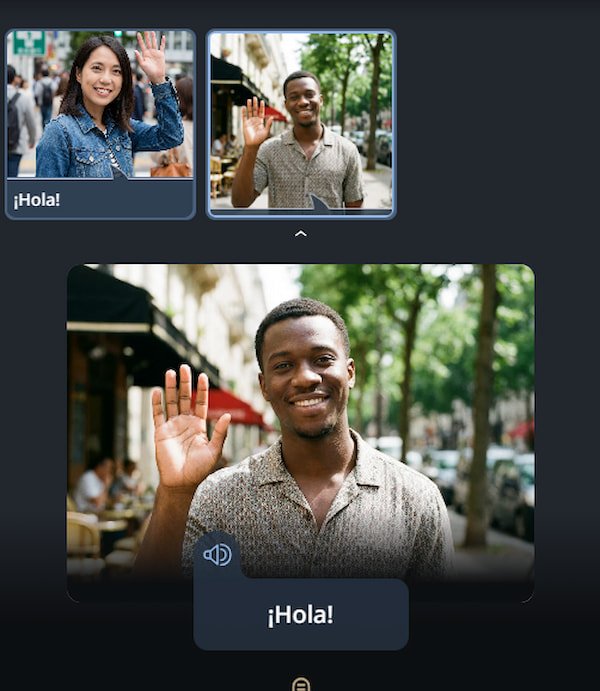
That doesn’t make it worthless. Think of it as a strong warm-up tool, a way to build a base before you talk to real people, rather than a finish line on its own.
In Which Things Rosetta Stone Falls Short
- ❌ No explicit grammar explanations, so learners have to infer rules from examples
- ❌ Priced higher than free or freemium competitors like Duolingo
- ❌ TruAccent speech recognition can misfire with accents, background noise, or certain microphones
- ❌ Real spoken conversation practice is limited unless you pay extra for live tutoring
- ❌ Repetitive drills can feel tedious past the first few weeks
- ❌ Subscription cancellation and refund process draws frequent complaints
- ❌ Tonal and non-Latin-script languages are harder to learn through picture-only guessing
Pros of Rosetta Stone
- ✅ No-translation, immersive method that builds intuitive word recognition
- ✅ TruAccent gives instant feedback on pronunciation accuracy
- ✅ Clean interface with no ads, points, or streak pressure
- ✅ Lifetime plan unlocks all 25 languages for one flat payment
- ✅ Lessons download for offline use during travel or commutes
- ✅ Optional live tutoring with native-speaking, certified instructors
- ✅ Decades of brand history and a large content library per language
Is It Free or Paid?
Rosetta Stone is a paid product from the first lesson onward. Based on the vendor’s website, there is no permanent free tier, only a short free trial before payment is required.
| Plan | Price (based on vendor’s site) | Access |
| Monthly | $19.99/month | One language, billed every month |
| Yearly (12-month) | Around $159/year | One language, lower cost per month than monthly billing |
| Lifetime | Lists around $299–$399, frequently discounted to $149–$199 | All 25 languages, one-time payment, no renewal |
According to the vendor’s site, new users get a short free trial, typically around three days, plus a 14-day money-back guarantee on direct purchases. Promotional pricing changes often, so it’s worth checking the official pricing page before buying.
What Rosetta Stone Provides to Its Users
Based on the vendor’s website, a Rosetta Stone subscription includes the following:
- Dynamic Immersion Method – lessons built entirely from images, audio, and text, with no translation step
- TruAccent Speech Recognition – real-time pronunciation scoring compared against native-speaker audio samples
- Seek and Speak – a feature that prompts learners to find and say specific words in their real surroundings
- Stories – short interactive narratives that build reading and listening comprehension
- Phrasebook – a reference library of common everyday phrases by topic
- Audio Companion – screen-free audio lessons for listening practice on the go
- Chat Missions – short, scenario-based typed conversation practice
- 500+ Flashcard Sets – vocabulary practice across topics like travel, food, and business
- Sapphire Studio – a tool for building custom learning activities around your own interests
- Live Tutoring – optional 30-minute sessions with certified tutors, sold in packages of 5 or 10
- Offline Downloads – lessons saved locally for use without internet access
- Cross-Device Sync – progress carries over between the mobile app and desktop browser
Is Rosetta Stone Worth Using?
That depends heavily on your goal. If you want a structured, low-pressure way to build vocabulary and pronunciation in a Romance language, it holds up well against the price. The Lifetime plan in particular can be reasonable value if you plan to study more than one language over several years.
If your main goal is holding a real conversation within a few weeks, or you’re working with a tight budget, the cost is harder to justify next to free alternatives. Treat it as one part of a language-learning routine, not the entire plan.
Alternatives to Rosetta Stone
Rosetta Stone isn’t the only option, and depending on your learning style, it may not be the best fit. These three come up most often as direct competitors.
| App | Starting Price | Best For |
| Duolingo | Free, with a paid Super tier around $12.99/month | Casual daily practice and building a study habit at no cost |
| Babbel | Around $9–$17/month depending on plan length | Learners who want grammar explained directly alongside practice |
| Pimsleur | Around $19.95–$20.95/month | Audio-first learners who want hands-free lessons for commutes |
Duolingo covers more languages for free and works well as a low-stakes starting point, though it offers less depth than a paid course once you move past beginner material.
Babbel leans more academic than Rosetta Stone, with grammar spelled out instead of left for the learner to infer. It supports fewer languages, but the ones it covers get more structured attention.
Pimsleur skips visuals almost entirely and focuses on spoken audio drills, which suits people who want to practice speaking and listening during a drive or a walk rather than staring at a screen.
Other Post: Spokeo Review
Final Verdict
Rosetta Stone delivers a well-built, image-based curriculum with genuinely useful pronunciation feedback through TruAccent. That part of the product holds up under real scrutiny, and it explains why the teaching method itself draws consistent praise even from otherwise critical reviewers.
Where it loses points is everything around the lessons: the subscription pricing compared to free rivals, the billing complaints on Trustpilot, and the ceiling on how far a no-translation app can take you toward real fluency. We wouldn’t recommend it as your only language-learning tool, but as one piece of a bigger routine, it can earn its place.
Frequently Asked Questions
Is Rosetta Stone good for beginners?
Yes. The step-by-step, picture-based lessons work well for learners starting from zero, especially in Spanish, French, or Italian.
Does Rosetta Stone offer a free trial?
Based on the vendor’s site, yes, typically a short trial of a few days, followed by a 14-day money-back guarantee on direct purchases.
Can Rosetta Stone make you fluent on its own?
Unlikely for most learners. It builds vocabulary and pronunciation well but doesn’t replace live conversation practice, which fluency generally requires.
Is Rosetta Stone better than Duolingo?
It depends on your goals. Rosetta Stone offers deeper pronunciation tools and a calmer interface; Duolingo is free and better suited to casual daily practice.
Can I cancel my Rosetta Stone subscription easily?
Reviewers report mixed experiences here. Canceling before your renewal date through your account settings avoids most of the billing complaints seen on Trustpilot.